


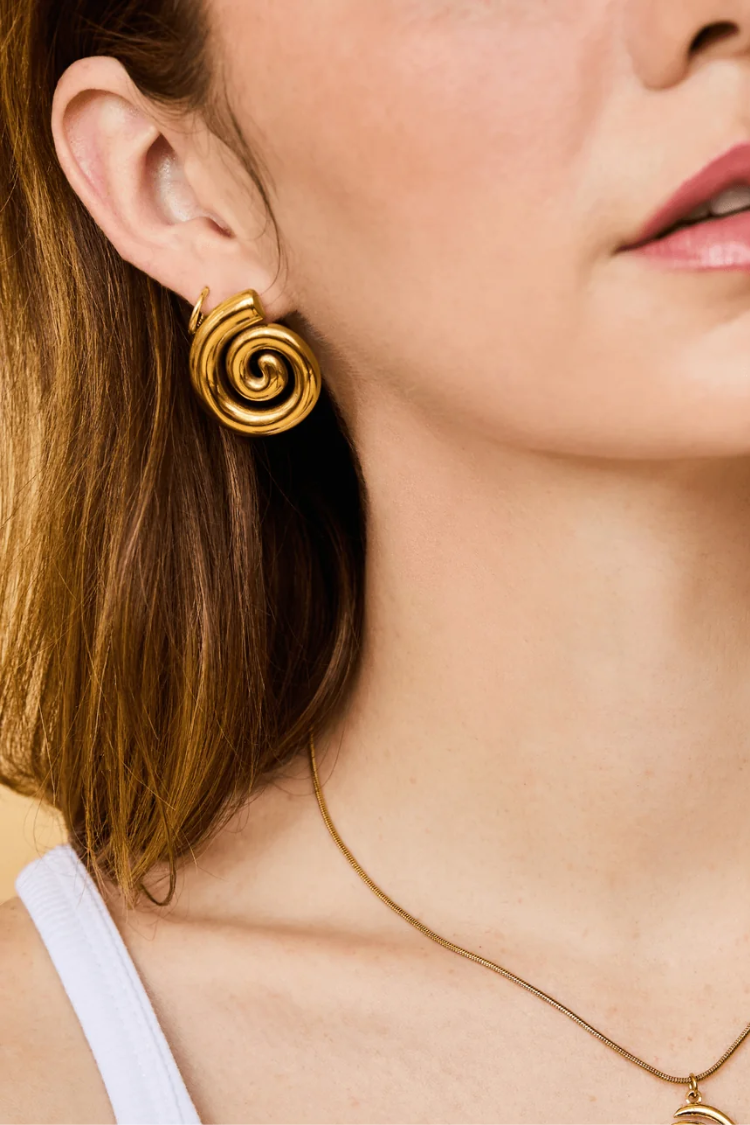

When Cold Weather Meets Formal Dress Codes
Winter weddings present a unique styling challenge that leaves many guests second-guessing their outfit choices right up until ceremony time. The invitation says "formal" or "black tie," but the forecast shows temperatures hovering around freezing. You want to look elegant and polished, but you also need to stay warm through outdoor photos, chilly church ceremonies, and the dash from car to venue.
The solution isn't choosing between style and comfort. It's understanding which fabrics provide natural insulation, how to layer strategically without adding bulk, and which accessories transform a dress into cold-weather appropriate attire. Let's break down exactly how to build an elegant winter wedding guest outfit that keeps you warm without compromising the formal aesthetic.
Choose Fabrics That Work With Winter Weather
Fabric selection makes the biggest difference in staying comfortable at a cold weather ceremony. Some materials provide natural warmth while maintaining the luxe appearance formal events require.
Velvet: The Winter Formal Staple
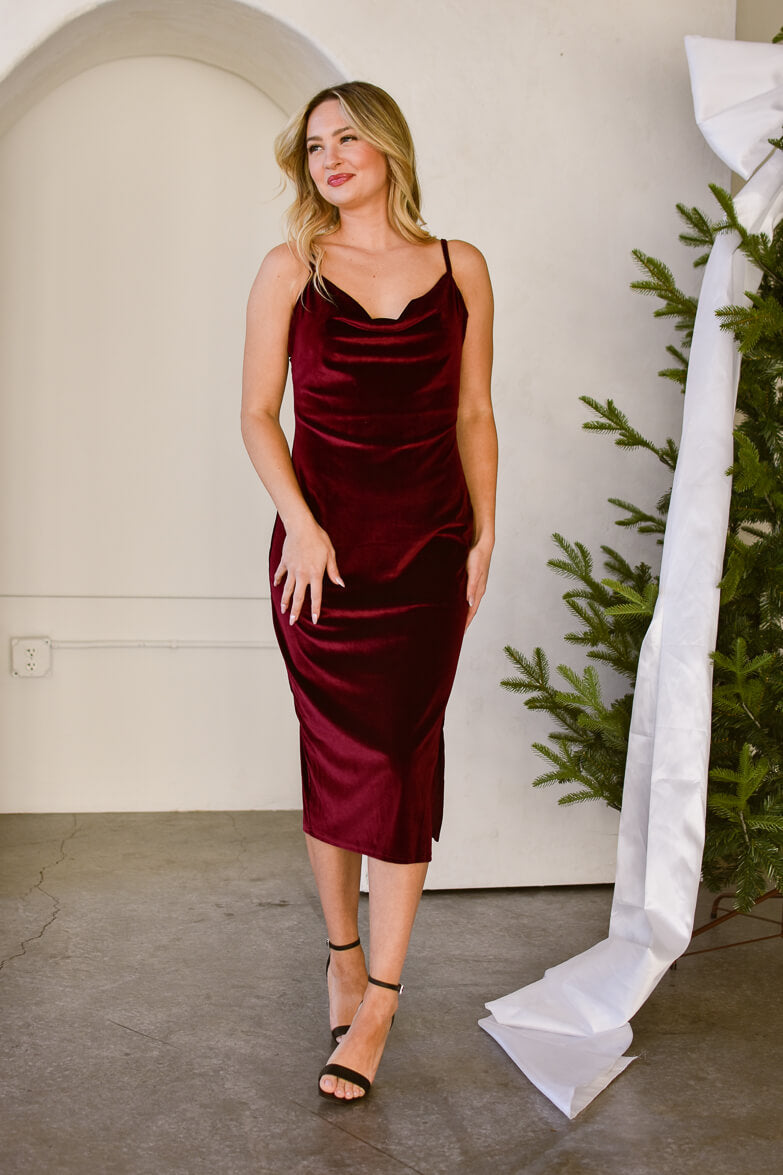
Velvet offers both visual richness and practical warmth. The dense pile structure traps air close to your body, providing insulation that lightweight fabrics simply can't match. Depending on the formality of the dress code, a sheath style velvet midi dress in deep jewel tones like emerald, sapphire, or burgundy like the Christine Velvet Slip Dress, $58, reads as wedding guest ready while keeping you significantly warmer than chiffon or satin alternatives.
Look for silk velvet or velvet blends for the most luxurious drape. These work beautifully for black tie events and photograph exceptionally well in winter lighting. The fabric's natural sheen catches light without appearing overly sparkly, making it perfect for evening ceremonies.
Brocade
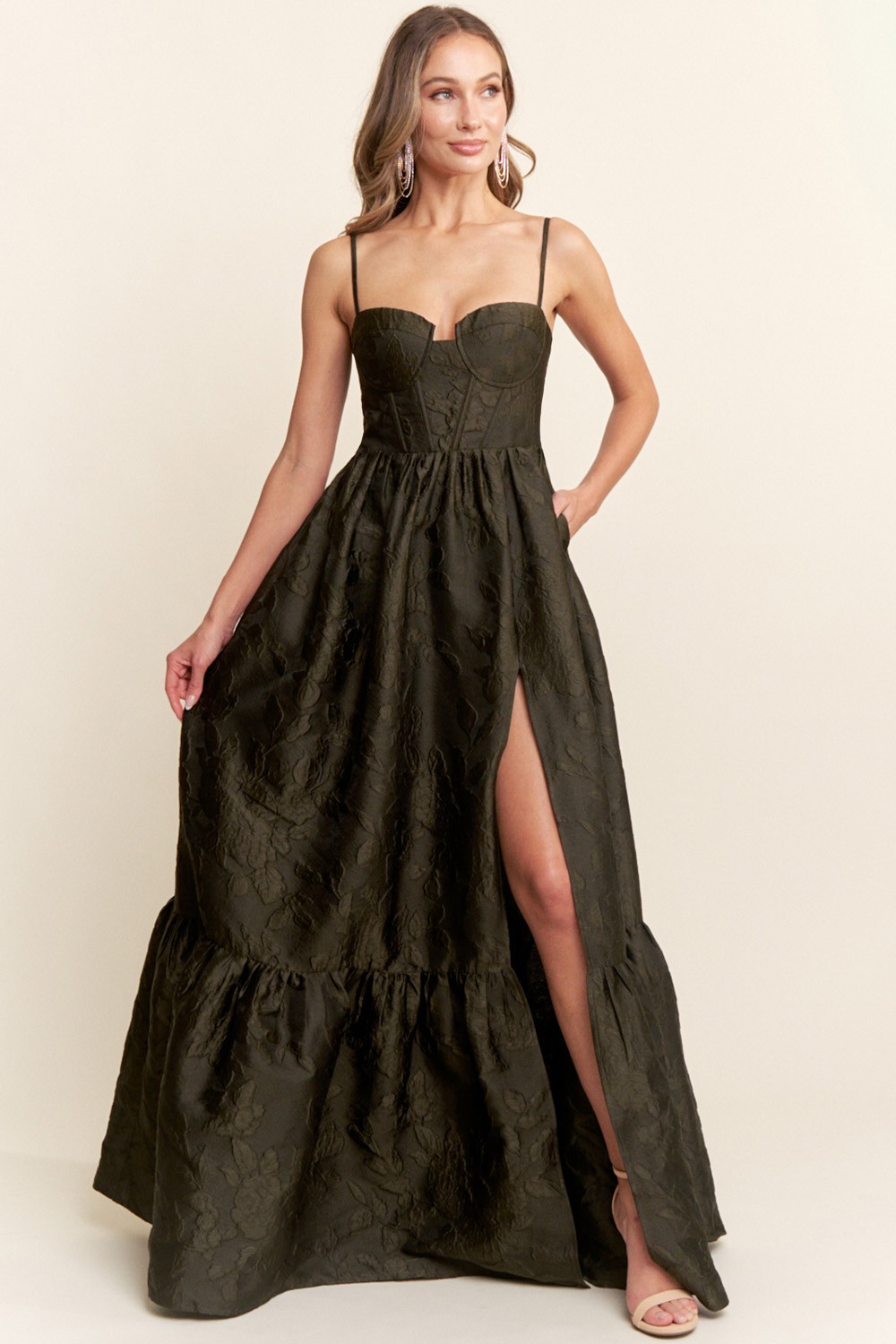
For black tie and formal winter weddings, brocade offers a classic and elegant solution.
Our brand new Victoria Olive Brocade Maxi Dress features corset-style top with a lace-up back, giving you that hourglass shape but with a comfortable fit.
It's mid-weight fabric is just what you need to keep you warm during a winter wedding.
Heavy Satin and Duchess Satin
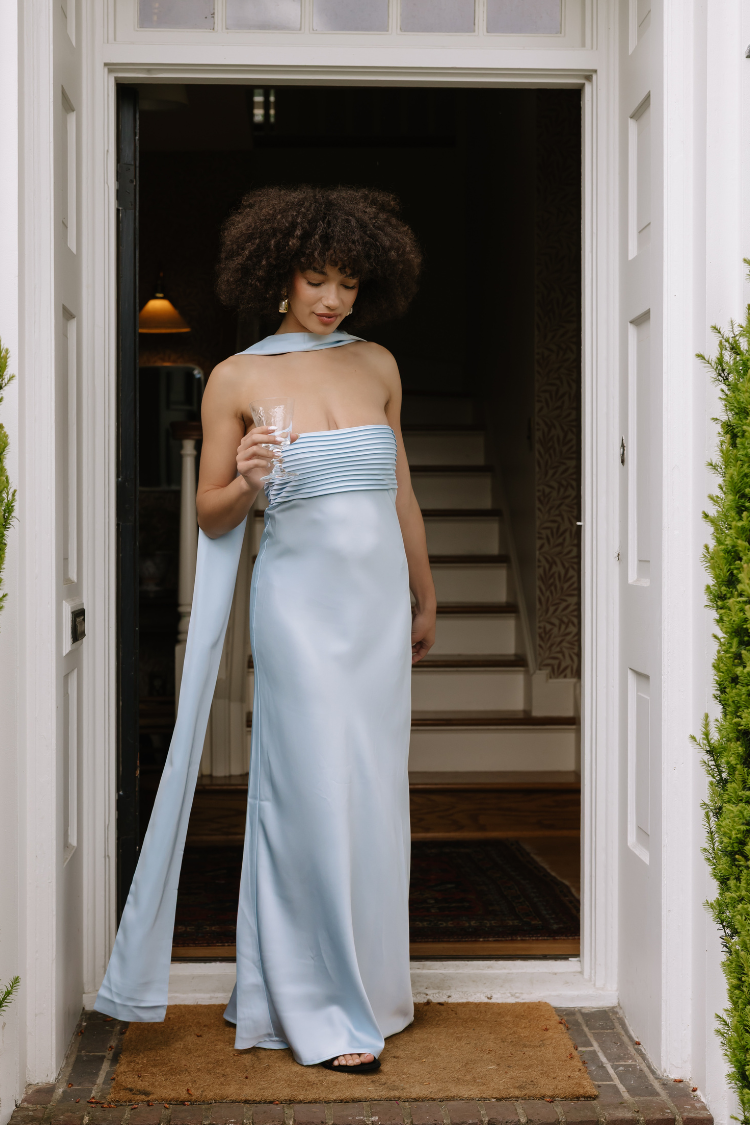
Not all satin is created equal for winter wear. Lightweight bridal satin will leave you shivering, but heavy duchess satin or double-faced satin provides both structure and warmth. These thicker satin varieties maintain the formal, elegant look while offering more coverage and insulation than their lighter counterparts.
A-line or sheath silhouettes in heavy satin work particularly well for formal winter weddings. Try the Elsa in Ice Blue for your snow queen wedding guest moment. The weight of the fabric creates beautiful movement without clinging, and the substantial feel reads as appropriately luxurious for the occasion.
Master the Art of Formal Layering
Layering for a formal event requires more finesse than everyday cold-weather dressing. The goal is adding warmth without disrupting your silhouette or appearing too casual.
Long Sleeves and Coverage
Starting with a dress that provides built-in coverage eliminates the need for some layering. Long sleeve gowns in elegant fabrics look intentionally formal rather than practically warm. Consider styles with interesting sleeve details like sheer panels, lace inserts, or bishop sleeves that add visual interest while providing coverage.
High necklines also help retain warmth without requiring additional layers. Jewel necks, mock necks, and high halters all work for formal winter events. If you prefer a dress with a lower neckline, plan for strategic layering pieces.
Luxe Outerwear That Complements Formal Attire
Your coat or jacket is the most important layering piece for winter wedding guest attire. Skip the puffy parka and invest in formal-appropriate outerwear:
- Floor-length wool coats in classic colors like camel, black, or charcoal provide maximum coverage and look elegant over gowns
- Faux fur coats or capes offer glamorous coverage for shoulders and arms while maintaining a formal aesthetic
- Structured evening jackets in velvet or brocade work well for cocktail-length dresses
- Cashmere wraps in oversized proportions provide warmth and can be draped elegantly over formal attire
Remember that you'll likely need to check your coat during the reception, so choose a dress that works on its own once you're inside. Your outerwear should be a complementary layer, not a requirement for your outfit to look complete.
Accessorize for Warmth and Style
The right accessories complete your cold-weather formal outfit while adding functional warmth.
Closed-Toe and Covered Footwear
Strappy sandals might be your go-to for summer weddings, but winter formal events call for more coverage. Velvet pumps or satin closed-toe kitten heels keep your feet warm while maintaining the formal dress code.
Statement Jewelry That Works With Layers
When your dress includes long sleeves or you're wearing a high neckline, adjust your jewelry accordingly. Statement earrings become your focal point when necklaces might compete with coverage. Bold cocktail rings add interest without interfering with sleeves or wraps. Choose pieces that complement rather than fight with your layering strategy.
Putting It All Together
Creating an elegant winter wedding guest outfit means thinking strategically about every element. Start with a dress in a warm fabric that provides built-in coverage. Add formal outerwear that complements your look rather than hiding it. Choose accessories that add both style and practical warmth.
The most successful cold weather formal outfits feel cohesive rather than cobbled together. When you select pieces with both aesthetics and warmth in mind from the start, you'll look polished and feel comfortable throughout the entire celebration. Winter weddings deserve guests who can focus on the ceremony and festivities rather than counting down the minutes until they can leave the cold behind.